Water Damage Restoration in Fish Lake, MN
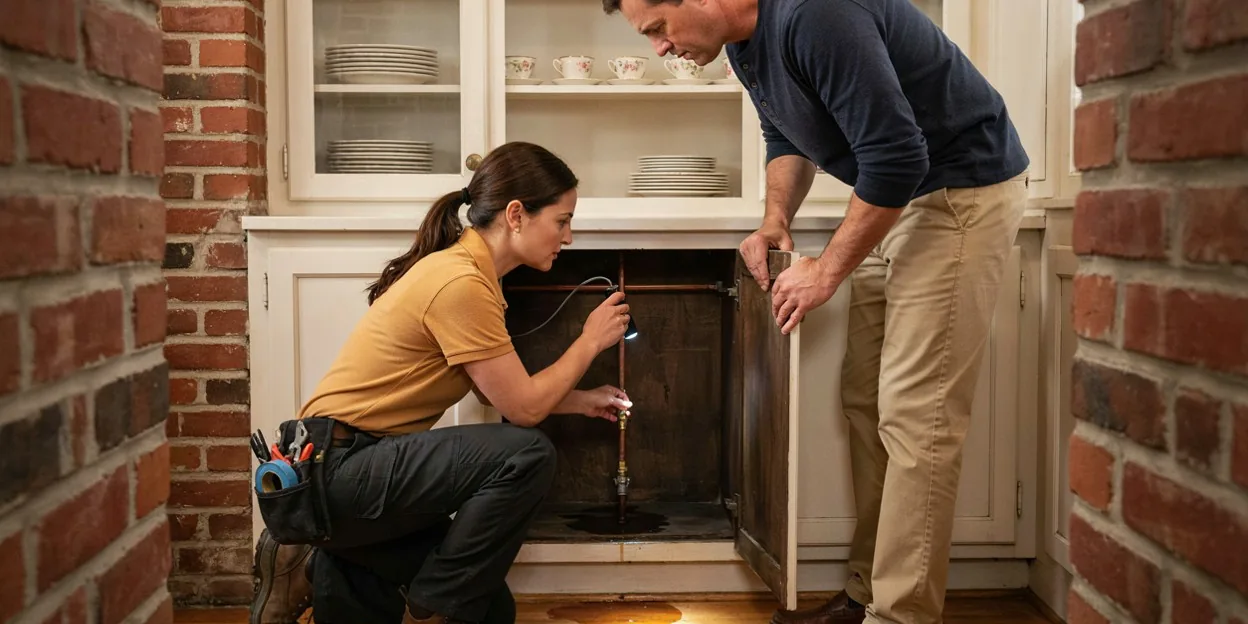
Fish Lake is the largest of Maple Grove's lakes at about 244 acres, sitting in the west-central part of the city between Bass Lake Road and Interstate 94. The neighborhoods around it were built in two waves: ramblers and split-levels from the 1970s and early 1980s on the older lake lots, and two-stories from the late 1980s and 1990s on the subdivisions that filled in behind them. Fish Lake Regional Park takes up the northeast shore, and the lake drains north through a chain of wetlands toward Rush Creek.
Lake lots have lake water tables. A basement within a few hundred feet of the shore sits close to the level of the lake itself, and when the lake comes up in a wet spring the footing tile runs full. The older split-levels here have the shallowest basements in the city, which helps, but their sump systems are also the oldest. The 1970s houses were built with pumps that are now on their third or fourth replacement.
This site connects Fish Lake homeowners by phone with an independent local water damage provider. The provider reads the basement before any carpet comes up.
Fish Lake water damage in a 1970s split-level
A lower level that flooded when the lake came up in April is a basement flooding cleanup, and the crew meters the paneling as well as the drywall. A pump that stopped mid-storm is a sump pump failure cleanup. A line that froze in an exterior wall of a split-level with a cold crawl section is a frozen pipe cleanup.
Schools named for the lakes
The first district schools in Maple Grove were named for the lakes, and Osseo Area Schools still runs Fish Lake Elementary a short walk from the shore, which is where most of the neighborhood's children end up. The lake's level is managed through the Elm Creek watershed, and the city's inspections desk handles rebuild permits for drywall, plumbing, and wiring.
Call (763) 314-1771 and say how far the water got. An independent local water damage provider serving Fish Lake picks it up from there.
Services Available in Fish Lake
Basement Flooding Cleanup
Water pumped out of a finished lower level under a Maple Grove two-story, then pad, drywall, and the bottom plate metered to see what stayed wet.
Sump Pump Failure Cleanup
Cleanup after the pump lost power in a thunderstorm or drowned in the March thaw, plus drying of the floor and walls the pit overflow reached.
Frozen Pipe Cleanup
Cleanup after a supply line froze above the garage, in a rim joist, or behind a kitchen sink and let go when the cold broke.
Ice Dam Water Damage
Attic insulation, upstairs ceilings, and exterior walls dried after an ice dam at the eave pushed meltwater under the shingles.
Structural Drying
Air movers and dehumidifiers set by daily readings until joists, studs, subfloor, and drywall come back to dry in a closed-up Minnesota house.
Leak Detection
The source traced for a damp spot, a high water bill, or a stain with no obvious leak, before any wall or floor in the house gets opened.
Ceiling Water Damage Repair
A sagging or stained ceiling below an upstairs bath or laundry dried, opened where the readings say so, and made ready for the rebuild.
Sewer Backup Cleanup
Contaminated water from a floor drain or a backed-up main line removed from a basement, with the materials it touched taken out and the slab cleaned.